

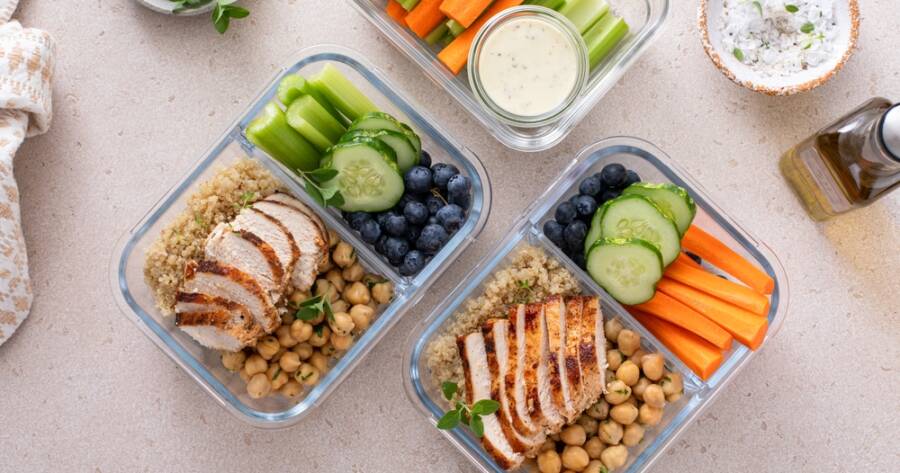
Long workdays, packed calendars, and family commitments can make healthy eating feel like an afterthought. When time is short, takeout and last-minute grocery runs often win. Meal planning offers a different rhythm, one built on intention, preparation, and fewer daily decisions. With a simple system in place, it becomes easier to eat well, save money, and reduce stress. A little preparation at the start of the week can create breathing room on even the busiest days.
Why Meal Planning Is a Game Changer
Meal planning reduces the constant question of “What should I eat?” By deciding meals in advance, you eliminate daily guesswork and cut down on impulse purchases. That clarity often leads to healthier choices because you are less likely to grab convenience foods when hunger strikes. It also helps reduce food waste since ingredients are purchased with a purpose.
Another major benefit is financial. Planning meals around a grocery list prevents overspending and duplicate purchases. Cooking at home more frequently can significantly lower weekly food costs compared to dining out. Beyond savings, meal planning supports balanced nutrition. When you intentionally include protein, vegetables, and whole grains, your meals become more consistent and nourishing throughout the week.
Choose a Planning Style That Fits Your Life
Meal planning does not have to mean preparing every bite of food for seven days. The key is finding a method that aligns with your schedule and preferences. Some people prefer fully prepped meals stored in containers, ready to grab and reheat. Others like to prep components, such as proteins, grains, and vegetables—then assemble meals quickly each day.
You might plan breakfast and lunch in advance while cooking dinner fresh in the evening. Or you may rotate a small collection of reliable recipes each week. Flexibility makes the habit sustainable. The goal is not perfection but reducing daily friction. Start with a format that feels manageable and adjust as your routine evolves.
Start with a Simple Weekly Framework
A practical way to begin is by mapping out five dinners and leaving space for leftovers or a simple night like sandwiches or breakfast for dinner. Review your calendar before planning. Busy evenings may call for slow cooker meals or reheatable dishes, while lighter days allow more time for cooking.
Once dinners are sketched out, plug in easy breakfasts and lunches. Oatmeal, yogurt with fruit, or egg muffins can cover mornings. Lunch might include salads topped with prepped protein, grain bowls, or leftovers from dinner. Write everything down and build a grocery list directly from that plan. Having a clear structure prevents overcomplicating the process and keeps planning efficient.
Batch Cook the Building Blocks
Batch cooking key ingredients saves time without requiring full meal assembly. Choose two or three protein sources for the week, such as grilled chicken, baked tofu, ground turkey, or hard-boiled eggs. Prepare them in larger quantities so they can be used in salads, wraps, stir-fries, or grain bowls.
Do the same with carbohydrates and vegetables. Cook a pot of brown rice, quinoa, or roasted potatoes. Roast a tray of mixed vegetables or wash and chop raw produce for quick use. Having ready-to-go components makes it easy to mix and match meals in minutes. This approach provides variety while still keeping preparation streamlined and efficient.
Prep Smart Breakfasts and Lunches
Mornings are often rushed, making breakfast one of the most skipped or improvised meals. Preparing options in advance prevents that scramble. Overnight oats, smoothie packs stored in the freezer, or egg-based muffins baked on Sunday can provide several days of quick fuel. Pairing protein with fiber helps sustain energy through busy mornings.
Lunch benefits greatly from advance prep as well. Grain bowls layered with vegetables and protein hold up well for several days. Mason jar salads keep greens fresh when dressing is stored at the bottom. Soups and stews can be portioned into containers for grab-and-go convenience. Having lunch ready reduces reliance on expensive or less balanced midday options.
Equip Your Kitchen for Success
A few essential tools make meal planning easier and more efficient. Invest in high-quality reusable containers in various sizes for storing prepped ingredients and complete meals. Clear containers allow you to see what is available, which reduces forgotten leftovers. Leakproof lids are especially useful for soups and dressings.
Other helpful items include a sharp chef’s knife, large sheet pans for roasting, a slow cooker or pressure cooker for hands-off meals, and labeled freezer bags for bulk cooking. Keeping a running grocery list on your phone or fridge also streamlines weekly shopping. When your kitchen supports your plan, the process feels less like a chore and more like a routine.
Making Consistency Easier Than Takeout
Meal planning works best when it feels realistic rather than rigid. Some weeks will go smoothly, while others may require adjustments. Keep a short list of backup meals made from pantry staples for unexpected schedule changes. Flexibility prevents frustration and keeps momentum strong.
Over time, the habit becomes second nature. Fewer last-minute decisions mean less stress and more control over your nutrition and budget. Even small planning efforts create noticeable results. By dedicating a short window each week to preparation, you gain hours of convenience later. That tradeoff makes meal planning one of the most practical tools for busy people who want to eat well without adding more chaos to their lives.