

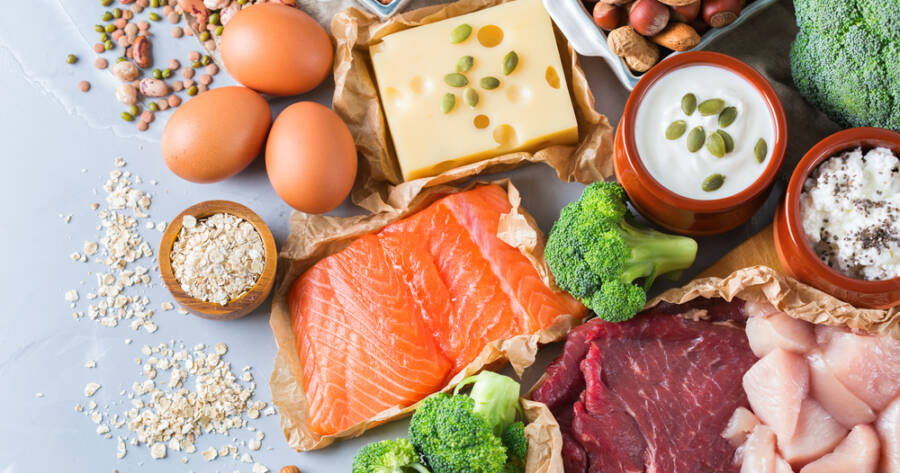
Protein has become a buzzword in the nutrition world, praised for supporting muscle growth, weight management, and steady energy. Yet increasing protein intake without a thoughtful plan can lead to imbalance or unnecessary restriction. A healthy high-protein approach focuses on quality, variety, and sustainability rather than extremes. When done wisely, prioritizing protein can support strength, metabolism, and overall wellness while still leaving room for fiber-rich carbohydrates and healthy fats.
Why Protein Matters for Your Body
Protein plays a foundational role in nearly every system of the body. It helps build and repair muscles, supports healthy skin and hair, and contributes to the production of enzymes and hormones. Amino acids, the building blocks of protein, are essential for immune function, tissue repair, and maintaining fluid balance. Without adequate protein, the body struggles to recover from exercise and maintain lean mass.
Protein also influences how you feel day to day. Meals that include sufficient protein tend to be more filling, which can help reduce overeating and stabilize blood sugar levels. That steady energy may support better focus and fewer mid-afternoon crashes. Rather than viewing protein solely as a muscle-building tool, it helps to recognize its broader impact on long-term health and daily performance.
How Much Protein Do You Really Need?
Protein needs vary based on body size, age, activity level, and health goals. A general guideline suggests multiplying your body weight in pounds by 0.36 to estimate minimum daily protein needs. For example, someone who weighs 150 pounds may aim for around 54 grams per day. Athletes, older adults, or individuals who strength train regularly may require more.
Spreading protein intake throughout the day can improve how efficiently the body uses it. Many experts recommend including roughly 20 to 30 grams of protein at each meal and a smaller amount in snacks. This approach supports muscle repair and helps manage hunger. Instead of loading most protein into dinner, distributing it evenly at breakfast, lunch, and dinner can create a better balance.
Choose High-Quality Protein Sources
Not all protein sources are created equal. Animal-based options such as chicken, turkey, fish, eggs, dairy, and lean beef provide complete proteins, meaning they contain all essential amino acids. Fatty fish like salmon and trout offer the added benefit of omega-3 fatty acids, which support heart and brain health.
Plant-based proteins also deserve a place on your plate. Beans, lentils, chickpeas, tofu, tempeh, nuts, seeds, and quinoa contribute fiber, vitamins, and minerals along with protein. Combining different plant proteins throughout the day helps ensure a full range of amino acids. A varied mix of animal and plant sources can improve nutrient intake and make meals more interesting and sustainable.
Balance Protein with Other Nutrients
A high-protein diet should not crowd out fiber-rich carbohydrates or healthy fats. Vegetables, fruits, whole grains, and legumes provide essential nutrients that protein alone cannot supply. Removing entire food groups may create nutrient gaps and make the eating plan harder to maintain over time.
Aim to build balanced meals that pair protein with colorful produce and complex carbohydrates. Grilled chicken served with roasted vegetables and quinoa, or tofu stir-fried with broccoli and brown rice, offers a well-rounded combination. Healthy fats from olive oil, avocado, nuts, and seeds further enhance nutrient absorption and satisfaction. Balance ensures that increasing protein enhances overall nutrition rather than narrowing it.
Simple Ways to Increase Protein Intake
Raising protein intake does not require drastic changes. Start with breakfast by adding eggs, Greek yogurt, cottage cheese, or a protein smoothie. Beginning the day with protein can curb mid-morning hunger and stabilize energy. Choosing protein-rich snacks such as nuts, edamame, or yogurt instead of chips or sweets also makes a difference.
Small swaps in everyday meals can boost totals without much effort. Replace white rice with quinoa, use Greek yogurt in place of sour cream, or try chickpea pasta for added protein. Preparing protein sources in advance, such as grilling chicken or baking tofu for the week, makes it easier to incorporate them into quick lunches and dinners.
Consider Supplements Thoughtfully
Protein supplements can be helpful for people who struggle to meet daily goals through food alone. Whey, casein, and plant-based powders offer convenient options for smoothies or quick shakes. They may be especially useful after workouts or during busy days when cooking is not realistic.
However, supplements should complement whole foods rather than replace them. Whole protein sources provide additional nutrients such as fiber, vitamins, and healthy fats that powders lack. Before significantly increasing protein intake or using supplements regularly, consulting a healthcare professional is wise, particularly for individuals with kidney concerns or other medical conditions.
Building a Sustainable High-Protein Routine
Transitioning to a higher-protein eating pattern works best when changes are gradual and realistic. Start by evaluating current intake and identifying easy opportunities to add more protein at one or two meals. Over time, those adjustments can become routine without feeling overwhelming.
A healthy high-protein diet emphasizes quality, variety, and balance. When protein is paired with nutrient-dense carbohydrates and healthy fats, meals feel satisfying rather than restrictive. Long-term success depends on creating an approach you can maintain comfortably. By focusing on steady habits instead of extremes, you can support muscle health, manage hunger, and strengthen overall well-being in a way that lasts.