

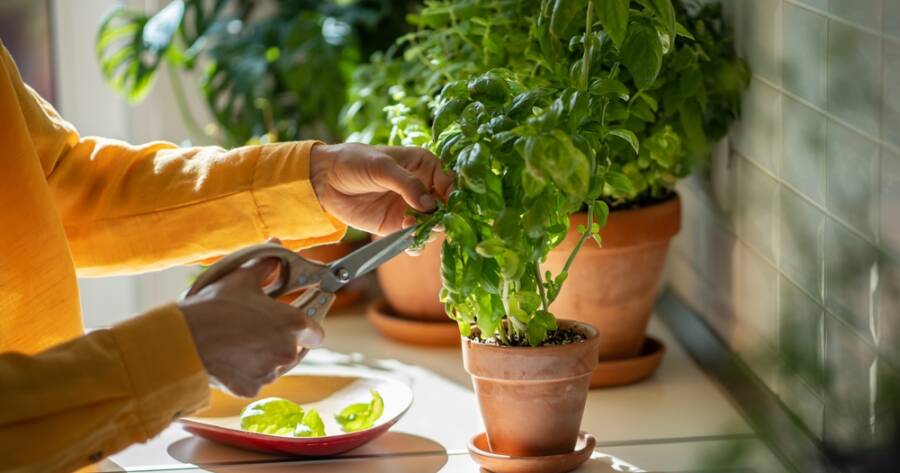
Fresh herbs make everyday cooking feel brighter: snipped basil for pasta, chives over eggs, mint for tea, or thyme for roasted vegetables. Indoor herb gardens also bring life to a kitchen in the middle of winter, when outdoor beds are dormant. The key is creating a small “microclimate” that supports steady growth: enough light, the right potting mix, reliable drainage, and a watering routine that fits each plant’s needs. Once the basics are in place, herbs can thrive indoors in every season.
Pick Herbs That Actually Thrive Indoors
Some herbs adapt to indoor life better than others, especially in winter when daylight is limited. Basil, chives, parsley, mint, oregano, thyme, and rosemary are popular choices, but each has slightly different preferences. Mint is forgiving and vigorous, while basil can be sensitive to humidity and airflow. Thyme and oregano prefer drier conditions, while chives and parsley tolerate more consistent moisture.
Start with two to four herbs rather than an entire windowsill jungle. This keeps care simple and prevents overcrowding, which can lead to fungal issues. It also helps match plants with similar needs—group moisture-lovers together and keep drought-tolerant herbs in their own pots. A smaller setup is easier to learn from and far easier to keep healthy long-term.
Create the Right Light Setup for Strong Growth
Light is the biggest difference between a thriving herb and a sad, leggy one. Many common herbs prefer around six hours of direct sun daily, which is easiest to achieve near a bright, south-facing window. If only indirect light is available, herbs may survive but grow slowly and stretch toward the window.
A grow light can fill the gap and make indoor herb gardening possible year-round. Aim for consistent exposure, often around 14 to 16 hours per day when natural light is weak. Rotate pots every few days if using a window so plants grow evenly rather than leaning. When herbs get adequate light, leaves stay fuller, flavor improves, and harvesting becomes more frequent and satisfying.
Choose Containers That Prevent Root Problems
Indoor herbs benefit from pots that drain well and fit the plant’s size. Drainage holes are non-negotiable as roots sitting in water often lead to rot, fungus, and yellowing leaves. Terracotta breathes and helps soil dry more evenly, which is helpful for herbs that hate soggy roots. Plastic and glazed ceramic hold moisture longer and can be useful for herbs that like consistently damp soil.
Pair every pot with a saucer to protect surfaces, but avoid letting the pot sit in standing water. If the saucer fills, empty it after watering. It also helps to choose pots with enough depth for strong roots, especially for basil and rosemary. When roots have room and oxygen, plants grow sturdier and handle indoor conditions much better.
Use Potting Mix That Balances Moisture and Drainage
Garden soil is too dense for indoor containers and can hold water in a way that suffocates roots. A high-quality potting mix is designed to stay lighter and drain more predictably. Herbs vary in preference: basil and parsley like evenly moist soil, while oregano and thyme prefer soil that dries out more between waterings.
If drainage seems slow, mix in a bit of perlite or bark to increase airflow and prevent compaction. For herbs that dry too quickly, a small amount of coco coir can help retain moisture without turning soil into mud. Good soil makes care easier because it creates a stable foundation—roots stay healthier, watering becomes more forgiving, and plants recover faster after harvesting.
Water and Feed Herbs Without Overdoing It
Overwatering is the most common indoor herb mistake. The simplest strategy is to check the soil before watering: if the top inch feels dry, water thoroughly until it drains out the bottom. If it still feels moist, wait. Herbs like thyme and oregano prefer drier intervals, while chives and basil often need more frequent watering, especially under grow lights.
Fertilizing matters indoors because nutrients in containers get used up over time. A light, balanced fertilizer can support steady growth, but too much can reduce flavor and stress the plant. Start with a mild feeding schedule and adjust based on growth and leaf color. Yellow leaves can signal overwatering or nutrient issues, while slow growth often points to low light or depleted soil.
Harvest and Prune to Keep Plants Bushy and Productive
Harvesting is part of the care routine, not just the reward. Regular trimming encourages herbs to branch and become fuller. For basil, pinching above a leaf node promotes bushy growth and helps delay flowering. For chives, snip the outer blades and allow the center to keep growing. For mint, frequent cutting prevents it from getting tall and sparse.
Avoid taking more than about one-third of the plant at a time, especially when herbs are still establishing roots. Pruning also improves airflow, which reduces the chance of mildew indoors. If a plant starts looking leggy, a stronger trim combined with better light often helps it bounce back. Consistent harvesting keeps herbs tender, flavorful, and productive through every season.
A Kitchen Harvest That Never Depends on the Weather
Indoor herb gardening becomes surprisingly simple once the system is dialed in: dependable light, well-draining pots, quality potting mix, and a watering routine that matches each herb. With that foundation, herbs can stay vibrant and usable year-round, even when outdoor gardens are frozen or dormant.
The best part is the rhythm it creates. A quick check of soil moisture, a small trim for dinner, and a weekly tidy-up keep plants healthy without feeling like a chore. Over time, a windowsill or small grow-light shelf can provide steady, fresh flavor for cooking while adding warmth and greenery to the home in every season.