

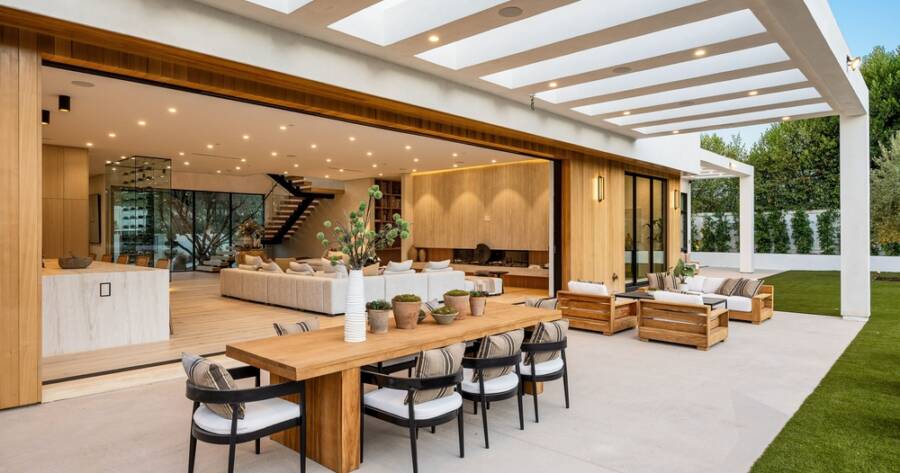
An outdoor space becomes truly valuable when it supports real routines, like a morning coffee, weeknight dinners, kids’ playtime, or quiet resets after a long day. The difference between a pretty patio and a lived-in backyard often comes down to comfort, flow, and a few smart choices that make being outside feel effortless. When purpose leads the design, even a small deck or modest yard can feel like an extension of your home instead of an extra area to maintain.
Define the Purpose Before You Buy Anything
A space gets used more when it matches your lifestyle instead of an aspirational mood board. Start by naming the top two or three activities you want outdoors: dining, lounging, grilling, gardening, play, or entertaining. Be honest about frequency and timing, too, because weekday breakfasts require a different setup than occasional parties, and a space that’s great at dusk might feel unusable at midday.
Once priorities are clear, assign each activity a “home base.” A dining zone should have room to pull out chairs comfortably, while a lounge zone should invite you to stay awhile with supportive seating. If kids or pets are part of daily life, plan for a durable zone that doesn’t interfere with relaxation. A purpose-led plan prevents wasted corners and makes the whole yard feel naturally welcoming.
Treat the Layout Like a Floor Plan
Outdoor spaces work best when movement feels intuitive. Think in paths and zones: where you step out of the house, where you set down a drink, where food travels from kitchen to table. Locating dining close to the kitchen simplifies serving and cleanup, while a lounging zone slightly farther out can feel more private and “getaway-like” without being disconnected.
Create clear circulation so people aren’t cutting through seating areas or squeezing past grills. Even a narrow stepping-stone path or defined edge in gravel can guide flow. Aim for logical transitions: door to dining, dining to lounge, lounge to fire feature. When the layout is easy to navigate, the space feels bigger, calmer, and more functional—and you’ll naturally spend more time outside.
Build Comfort Into Sun, Shade, and Wind
Comfort is the reason people stay outside or retreat indoors after 10 minutes. Observe when the sun hits hardest and where shade naturally falls. If afternoons are intense, plan a shade solution like an umbrella, pergola, shade sail, or a strategically placed tree. For cooler climates, consider a sunny nook for early spring and fall, plus blankets within reach for evenings.
Wind matters just as much. A dining table in a wind tunnel won’t get used, and a fire pit downwind becomes frustrating fast. Use hedges, lattice screens, fencing, or tall planters as wind buffers without closing the space in. Layering shelter, such as overhead shade plus side protection, creates a comfortable microclimate that makes outdoor time feel reliable, not weather-dependent.
Choose Surfaces That Support Real Life
The right mix of hardscape and softscape keeps the space practical. You need a stable footing for chairs, a grill, and frequent foot traffic, which makes a patio, deck, pavers, or compacted gravel a smart foundation. Soft zones, like lawn, groundcover, or mulched planting beds, add comfort, reduce heat, and make the space feel lush rather than all hard edges.
Think about maintenance and mess, too. If you host meals outside, a surface that cleans easily matters more than a delicate look. If kids play outdoors, a small patch of grass or soft mulch area can prevent wear on seating zones. A balanced foundation also helps with drainage, so you avoid muddy spots that quietly discourage outdoor use after rain.
Furnish Like You’re Designing a Living Room
Outdoor furniture should be chosen for how it feels, not just how it photographs. Prioritize seating that supports your back, has enough depth to relax, and fits the scale of the space. Add small movable tables for drinks, snacks, and phones when there’s nowhere to set things down, and people drift inside. Outdoor rugs can anchor a lounge zone and instantly make it feel like a “room.”
Plan for flexibility. A mix of seating types, such as chairs, a bench, a loveseat, or lightweight stools, helps you adapt to different gatherings without crowding the space permanently. Storage matters, too: a weatherproof deck box or storage bench keeps cushions, games, and throw blankets accessible. When comfort and convenience are built in, the outdoors becomes your default hangout spot.
Add Ambience With Lighting, Fire, and a Hint of Water
The most-used outdoor spaces work beyond daylight hours. Layer lighting the same way you would indoors: task lighting for cooking or grilling, softer ambient lighting for lounging, and pathway lighting for safety. String lights, sconces, and solar path markers can create a warm glow without complicated installation. A well-lit yard feels inviting and easy to use after dinner, not like a dark zone you avoid.
A fire feature extends the season and gives people a natural place to gather. Even a compact fire bowl can create warmth and ritual on cool nights. If you love relaxing sounds, a small water feature, like a bubbling fountain, adds calm without major construction. Together, light, fire, and gentle sound create an atmosphere that makes stepping outside feel like a reward.
Make It Easy to Say “Yes” to Being Outside
An outdoor space becomes part of your life when it’s effortless to use. Keep the essentials close: a tray for carrying items, a bin for outdoor toys, hooks for towels, and a simple routine for storing cushions. If the space requires a long setup every time, it won’t compete with the comfort of indoors. Small conveniences, like a side table, shade that’s already in place, and lighting that turns on easily, do a lot of heavy lifting.
Let the space evolve with you. Start with the core zone you’ll use most, then add the extras that support new habits over time: planters for privacy, a compact bar cart, a mini herb pot by the grill, or an outdoor speaker. When the space supports daily living instead of occasional perfection, it becomes a place you genuinely return to.