

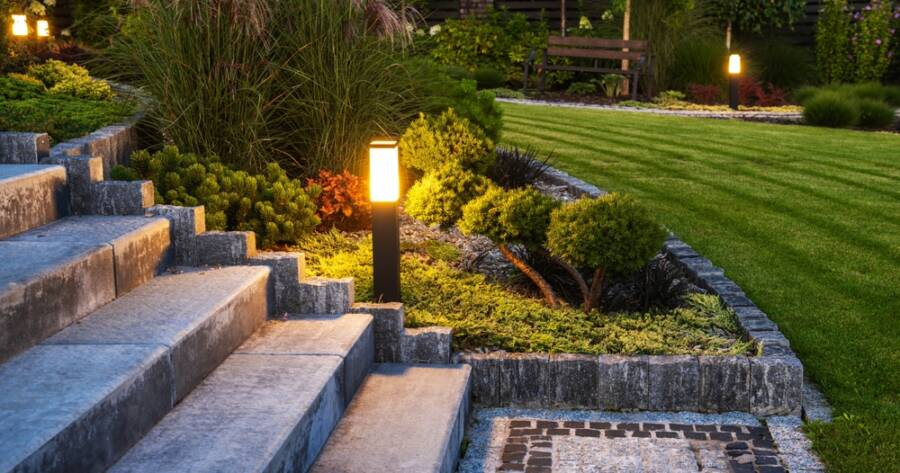
A beautiful yard shouldn’t require a weekly sacrifice of time, water, and energy. Low-maintenance landscaping is all about working with the conditions already in place, like sun patterns, soil type, and local climate, so the yard stays attractive with fewer chores. By choosing resilient plants, shrinking high-effort lawn areas, and adding practical hardscaping, it becomes easier to maintain curb appeal without constant mowing, pruning, or weeding. The result is an outdoor space that feels polished, functional, and far less demanding.
Start With a Plan That Matches Your Site
Low-maintenance success begins with observation. Notice where the yard gets full sun, where water pools after rain, and which areas are windy, shaded, or compacted. Those details determine which plants will thrive without extra help and where hardscaping might make more sense than struggling grass. Designing around reality prevents constant “fixing” later.
A practical plan also prioritizes use. Identify the zones that matter most, such as an entry path, a sitting area, a play space, or a spot for pets. Concentrate effort where it delivers the most daily value and simplify the rest. When layout decisions support both function and plant health, the yard naturally becomes easier to care for and looks better with less ongoing work.
Choose Plants That Want to Live in Your Climate
Plant selection is the biggest lever for reducing maintenance. Native and climate-adapted plants typically need less watering, fertilizing, and pest control because they’re already suited to local conditions. Perennials that return each year cut replanting work, and evergreen shrubs add structure without constant seasonal swaps.
Mix plant types for year-round interest while keeping the care routine simple. Groundcovers like creeping thyme or sedum can reduce mowing and suppress weeds. Hardy perennials like coneflowers, daylilies, or salvia provide color with minimal fuss. Ornamental grasses add texture and movement and often require only a once-a-year cutback. When plants are chosen for the right sun exposure and soil type, they grow fuller and healthier without being babied.
Reduce Lawn Areas and Replace Them Strategically
Traditional lawns demand the most ongoing work: mowing, edging, watering, fertilizing, and weed control. Cutting the lawn size is one of the fastest ways to lower maintenance. Instead of a blanket of grass, use lawn only where it earns its keep, maybe a small open area for kids, a dog run, or a patch for lounging.
Replace unused grass with low-effort alternatives. Mulched planting beds, gravel paths, patios, and groundcover zones can look intentional and modern while reducing weekly chores. Clover lawns are another option in some climates, offering a greener look with less watering and fewer inputs. Even shrinking the lawn by a modest percentage can save hours over a season and make the rest of the yard feel more designed and purposeful.
Use Hardscaping to Add Structure With Minimal Work
Hardscaping creates a yard that looks finished without relying entirely on plants. Patios, paver walkways, retaining walls, and stone edging reduce the amount of space that needs watering or trimming while improving usability. They also help define the layout, making planting zones easier to manage and keeping mulch from spilling into pathways.
Choose durable materials that hold up with minimal upkeep. Stone, concrete pavers, and composite decking tend to require less maintenance than wood in many environments. Clear borders—metal edging, stone, or brick—can prevent grass creep and reduce time spent re-edging beds. When hardscaping is used thoughtfully, it creates clean lines, reduces muddiness in high-traffic areas, and makes the landscape feel intentional year-round.
Make Watering Efficient With Smart Irrigation and Mulch
Watering is often the hidden time sink in yard care, especially during hot months. Drip irrigation delivers water directly to roots, reducing evaporation and cutting down on wasted spraying. Timers and moisture-based watering schedules help avoid overwatering, which can weaken plants and encourage disease. Grouping plants with similar water needs also makes irrigation simpler and more effective.
Mulch is another low-maintenance workhorse. A 2–3 inch layer helps retain moisture, regulate soil temperature, and block light that weeds need to sprout. Organic mulches also break down over time and improve soil health. Refreshing mulch annually can reduce summer watering demands and dramatically cut weeding, while giving beds a tidy, finished look.
Design for Easy Upkeep With Weed and Problem Prevention
A low-maintenance yard isn’t just about what gets installed—it’s also about preventing recurring headaches. Start with good bed prep: remove weeds thoroughly, use a clean edge, and consider a breathable weed barrier under gravel or in problem zones. Dense plant spacing helps too, since mature plants shade the soil and limit weed germination.
Plan around common issues so they don’t become ongoing chores. In shady areas where grass struggles, use shade-tolerant groundcovers, mulch, or hardscaping instead of fighting nature. In deer-heavy regions, choose deer-resistant plants and avoid tender favorites in exposed areas. For drainage problems, adjust grading, use gravel swales, or create raised beds. Prevention-focused design keeps the yard stable, attractive, and easier to manage year after year.
A Yard That Looks Great Without Owning Your Weekends
Low-maintenance landscaping is really about smarter choices up front: the right plants, less lawn, better water efficiency, and durable materials that don’t demand constant attention. When the yard is designed around local conditions and real-life use, it stays healthier and more attractive with fewer inputs and fewer weekend projects.
Small changes can make a big difference. Shrinking lawn, adding mulch, switching to hardy perennials, and defining borders can quickly reduce upkeep. Over time, a well-planned low-maintenance yard feels calmer and more functional—an outdoor space that supports rest, gatherings, and everyday life without becoming another full-time responsibility.