

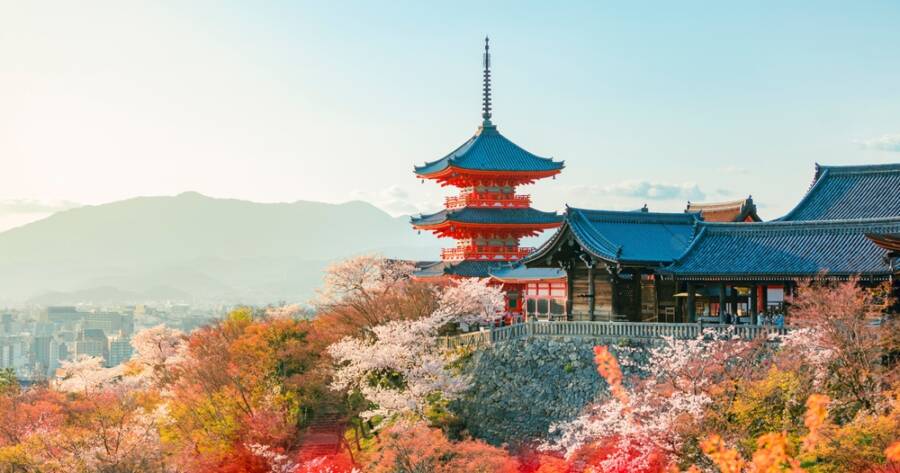
Japan can feel like a dream trip with a nightmare price tag, yet it rewards smart travelers who plan with intention. Between spotless cities, efficient transit, incredible food, and unforgettable culture, value shows up in surprising places (if you know where to look!). A budget-friendly Japan itinerary isn’t about skipping the fun; it’s about choosing the right splurges, trimming the invisible fees, and building days around experiences that cost little but feel priceless.
Build Your Budget Around Seasons, Cities, and Trip Length
Japan’s costs shift dramatically depending on timing and location. Major cities like Tokyo, Kyoto, and Osaka tend to be pricier for lodging, while smaller cities and regional hubs often deliver better value with fewer crowds. Shoulder seasons can offer a sweet spot with comfortable weather and more manageable rates, while peak periods can raise hotel prices and make last-minute booking expensive.
Trip length matters, too. A shorter route with fewer long-distance jumps can reduce transportation spending and help you avoid “move day” costs like extra meals out and impulse taxis. Pick a handful of bases and take day trips instead of swapping hotels every night. You’ll save money, reduce transit stress, and still experience a variety of neighborhoods, landscapes, and local flavors.
Choose Affordable Stays Without Sacrificing Comfort
Budget lodging in Japan is often clean, efficient, and well-located, especially business hotels that cater to domestic travelers. Rooms can be compact, but privacy and en suite bathrooms make them a strong value. Look for properties that include breakfast, since a substantial morning meal can lower food costs for the rest of the day.
Hostels and guesthouses are another excellent option, especially if you book direct and pack a quick-dry towel to avoid rental fees. Capsule hotels can be a clever “city saver” for one-night stays, offering more privacy than a dorm and often convenient locations near transit. For summer travel, camping can slash costs in rural areas. Prioritize proximity to stations to cut down on paid transport and late-night convenience splurges.
Get Transportation Right: Passes, Local Trains, and Night Buses
Transportation can be your biggest budget wildcard, so planning your route is essential. Rail passes only pay off when you’re taking enough long shinkansen trips within the pass window. For many itineraries, regional passes or point-to-point tickets may cost less while still covering key routes. If your trip focuses on one region, compare local options before committing to a nationwide pass.
Local trains are cheaper and can be part of the experience, especially if you enjoy slower travel and scenic routes. For long distances, consider highway buses, which are often the lowest-cost option. Night buses can double as transportation and accommodation, freeing up your daytime budget for attractions. Keep a little flexibility in your schedule so you can choose the best-value option per leg.
Eat Well for Less: Noodles, Bento, Markets, and Lunch Deals
Japan is one of the easiest places to eat deliciously on a budget. Quick, filling meals like ramen, soba, and udon are widely available, and many stand-and-eat spots keep prices low. Shokudō-style diners and casual chains can also deliver hearty meals without the tourist markup, especially when you choose popular, locally frequented locations.
Convenience stores are famous for a reason: rice balls, sandwiches, hot snacks, and ready meals can create a surprisingly satisfying meal for very little. Supermarkets are another underrated win—especially near evening, when prepared foods are often discounted. Bentō boxes can be a full meal at a reasonable price, and food halls offer variety when you want something a bit nicer without a sit-down bill.
Fill Your Days With No or Low-Cost Experiences
Some of Japan’s most memorable moments cost little or nothing. Many shrines have no cost to enter, and temple grounds often allow casual wandering without a ticket. City parks, river walks, and neighborhood explorations can be as rewarding as paid attractions, especially when you stumble into seasonal blooms, street performances, or scenic viewpoints.
Festivals are another budget-friendly highlight. They’re lively, culturally rich, and often lined with food stalls offering affordable bites. Hiking trails, walking tours, and self-guided architecture routes can add depth to your itinerary without draining your wallet. Seek out observation decks, public gardens with low entry fees, and local markets where browsing feels like an activity all its own.
Cut Hidden Costs: Money, Connectivity, and Smart Shopping Habits
Small fees add up fast, so protect your budget from “invisible spending.” Before departure, tell your bank your travel dates and confirm foreign transaction fees. Consider a payment setup that minimizes ATM and conversion charges, then withdraw cash in fewer, larger transactions when needed. Keep a buffer for transit cards, coin lockers, and occasional last-mile transportation.
Connectivity is another area where planning saves money. Decide whether you’ll rely on public Wi-Fi, a local SIM, or a portable hotspot, then budget accordingly. Shopping can also sneak up on you, so set a souvenir limit early, choose lightweight keepsakes, and focus on experiences over purchases. When you do shop, local markets and discount stores often beat tourist-heavy streets on both price and authenticity.
Make Your Yen Go Further Without Losing the Magic
Budget travel in Japan works best when it’s intentional, not restrictive. A few strategic choices, like smarter bases, simpler transportation days, and value-focused meals, can fund the splurges that truly matter, whether that’s a special onsen visit, a hands-on workshop, or a once-in-a-lifetime viewpoint. Prioritizing what feels meaningful keeps spending aligned with your goals.
The best part is that Japan’s everyday beauty doesn’t demand a premium ticket. Clean streets, thoughtful design, seasonal scenery, and neighborhood charm are built into daily life. When your itinerary balances comfort, convenience, and curiosity, the trip feels rich no matter the budget. You’ll come home with stories that sound expensive, even when your spending stayed refreshingly grounded.