

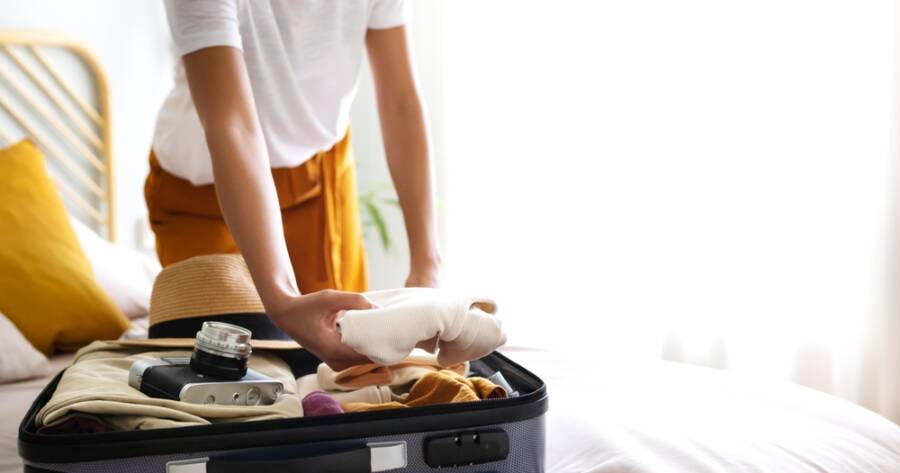
Traveling with only a carry-on feels like unlocking a calmer version of every trip. No baggage claim, no lost suitcase anxiety, and no hauling a heavy bag over cobblestones or up hotel stairs. The best part is that traveling light isn’t just for minimalists or short getaways; it’s a skill anyone can learn with a few smart choices. With the right bag, a simple packing plan, and a willingness to repeat outfits, carry-on only becomes surprisingly comfortable.
Choose the Right Bag and Know the Rules
A carry-on strategy starts with the bag itself. A lightweight suitcase or travel backpack gives you more room for what matters, especially on airlines with strict weight limits. Before packing, confirm your airline’s size rules for both a carry-on and a personal item, since dimensions can vary. A bag that fits most major carriers reduces the risk of gate-checking and last-minute stress.
Structure matters, too. Look for a bag with compression straps, smooth wheels, and a simple interior that’s easy to organize. If you prefer a backpack, choose one with a clamshell opening so packing feels like a suitcase. A personal item with a trolley sleeve or comfortable straps pairs well and helps keep essentials accessible without rummaging through everything.
Build a Small, Mix-and-Match Capsule Wardrobe
The secret to carry-on packing is planning outfits, not packing individual items. Pick a simple color palette, such as neutrals with one or two accent colors, so every top works with every bottom. Aim for pieces that can dress up or down, like a plain tee that works for sightseeing and a casual dinner, or a lightweight button-down that layers easily.
Keep fabrics practical. Quick-dry materials and wrinkle-resistant knits make repeating outfits easier and laundry faster. Instead of packing “just in case” clothing, think in terms of layers: one warm layer, one rain layer, and one versatile outfit that can cover multiple plans. If an item can’t be worn at least twice, it usually doesn’t deserve space in the bag.
Pack Fewer Shoes and Wear the Bulkiest Pair in Transit
Shoes are often the biggest space and weight problem in a carry-on. Limiting footwear is one of the fastest ways to lighten your load. For most trips, two pairs can cover almost everything: a comfortable walking shoe and a slightly nicer pair that still feels good for longer days. If your itinerary includes workouts or hiking, choose an athletic shoe that also works with casual outfits.
Wear the bulkiest shoes on the plane to save space and reduce weight in your bag. The same idea applies to heavier layers like jackets or thick sweaters. If you’re traveling between climates, layering during transit can keep your luggage lighter while still keeping you prepared for colder weather on arrival.
Make Toiletries Easy With Solids and Smart Decanting
Liquids are a common carry-on headache because of security rules and the risk of leaks. Swapping to solid options—shampoo bars, conditioner bars, bar soap, and even solid deodorant—can open up space and eliminate spill anxiety. If you prefer liquid products, decant into small, leak-resistant containers and pack them in a clear, easy-to-reach pouch for security.
Keep your kit focused on multipurpose items. A gentle cleanser can double as body wash, a small moisturizer can work for face and hands, and a basic makeup routine saves both time and space. If you’re traveling longer, buy refills at your destination. Most essentials are easy to replace, and carrying less from home often makes travel feel smoother from day one.
Organize for Speed With Packing Cubes and Tight Folding
Carry-on only works best when everything has a clear place. Packing cubes help divide clothing by category and keep the bag from exploding every time you pull something out. They also make hotel life easier—you can unpack by placing cubes directly into drawers or onto shelves. Compression cubes can save extra space, but even regular cubes create order and reduce stress.
Fold or roll, but keep it consistent and tight. Rolling can reduce wrinkles for some fabrics, while neat folding stacks well for others. Use small gaps for socks, underwear, and chargers, and keep a slim “quick access” pouch for items you’ll need during transit. The goal is a bag that stays organized from departure to return flight.
Plan for Laundry Instead of Packing for Every Day
Carry-on travel becomes much easier when you assume laundry will happen at least once on longer trips. Choose accommodations with laundry access, locate a nearby laundromat, or plan to hand-wash small items like underwear and shirts. Packing quick-dry clothing makes overnight drying realistic, even without special equipment.
Repeating outfits is also part of the system. Most people won’t notice, and even if they do, it rarely matters. Clean, comfortable, practical clothing beats a suitcase full of options that slow you down. The mindset shift is simple: pack for a week, even if the trip is two weeks. Laundry fills the gap, and you gain freedom, mobility, and a much easier travel day.
The Carry-On Habit That Makes Travel Feel Lighter
Traveling light isn’t about sacrificing comfort—it’s about designing a trip where your luggage supports you instead of slowing you down. A well-chosen bag, a small wardrobe that mixes easily, and a simple toiletry plan create a setup that’s repeatable for almost any destination. Once you experience the ease of skipping baggage claim and moving through airports faster, it’s hard to go back.
The real win is mental space. Fewer items mean fewer decisions, less tracking, and less worry about losing something important. With a carry-on approach, you spend more energy on the place you came to see, not the stuff you brought with you.