

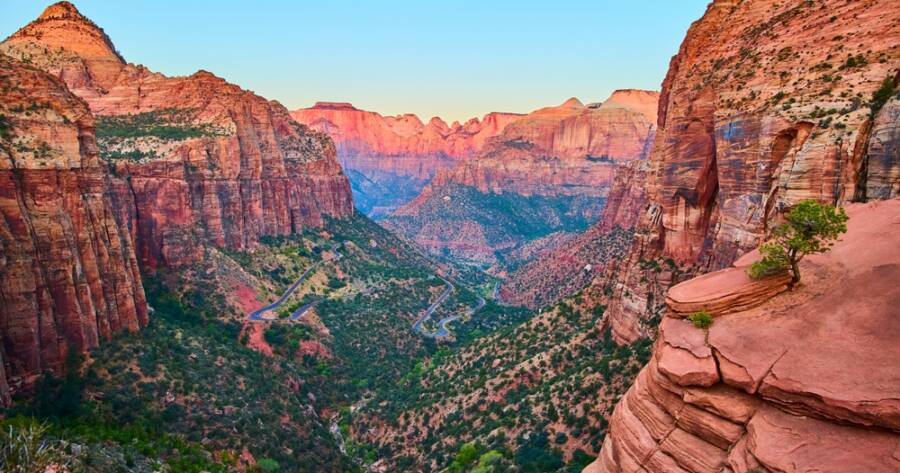
National park road trips deliver the kind of reset that rarely fits into everyday life: sunrise coffee with mountain views, quiet trails that slow your brain down, and scenery that makes phone photos feel unfair. The best part is the flexibility; one weekend can feel huge, and a two-week loop can cover multiple landscapes without ever boarding a plane. With a little planning around seasons, driving time, and park logistics, the journey stays adventurous instead of exhausting.
Choose a Route That Matches Your Pace
Start by picking a region instead of trying to crisscross the country. Clustering parks cuts down on long, draining drive days and leaves more time for hikes, viewpoints, and unplanned detours. Think in “loops” that return you to the same airport or city, or “one-way” routes that end somewhere different and use a drop-off rental.
Build your plan around a realistic daily rhythm: morning park time, midday break, late-afternoon drive, early dinner, and a wind-down that doesn’t feel rushed. A good rule is fewer stops with longer stays—two or three parks done well often beat six parks done in a blur.
Best National Parks to Add to Your Route
Some parks consistently shine on road trips because they’re scenic, accessible, and pair well with nearby destinations. In the West, Yellowstone and Grand Teton make a powerful duo, blending wildlife, geothermal features, and mountain views. Yosemite offers iconic waterfalls and granite cliffs, while Zion, Bryce Canyon, Arches, and Capitol Reef create an unforgettable Southwest loop of red-rock landscapes.
In the Pacific Northwest, Olympic and Mount Rainier combine alpine peaks, forests, and rugged coastline in a relatively compact region. Along the East Coast, Acadia delivers ocean views and charming nearby towns, while the Great Smoky Mountains and Shenandoah offer scenic drives and fall color. In the South, the Everglades and Big Bend provide completely different ecosystems, each ideal for winter road trips when desert and subtropical climates are most comfortable.
Time the Trip Around Weather, Crowds, and Road Access
Season matters more in national parks than almost any other trip style. High-elevation parks can hold snow well into summer, desert parks can become brutally hot, and coastal areas can swing from foggy to perfect in a matter of hours. Shoulder seasons usually offer the best balance of comfortable temperatures and lighter crowds.
Plan daily timing, too. Parking lots fill early in many popular parks, so sunrise starts can be the difference between a calm trailhead and an hour of circling. Midday can be perfect for a scenic drive, a visitor center stop, or a long lunch, then evenings work well for wildlife spotting and golden-hour viewpoints.
Handle Reservations, Permits, and Park Fees Early
Many trips go sideways because logistics get handled last. Some parks use timed-entry systems or require permits for famous hikes, and campgrounds can book up months ahead. Lock in any “hard” items first, such as must-have campsites, iconic trails, special tours, then fill in the rest around them.
Budget for entrance fees, and consider whether an annual parks pass makes sense based on how many fee areas you’ll visit. Keep digital and printed copies of reservations, plus a screenshot version in case service drops. Having access details ready at the gate reduces stress and keeps the first hour of every park from turning into a scavenger hunt.
Book Sleep Strategy: Camp, Lodge, or Gateway Town
Where you sleep can make or break the experience. Staying inside or right near a park often means earlier trail access and less commuting, but it can cost more or require earlier booking. Gateway towns add restaurant options, grocery stores, and usually better cell service, but commute time can stack up fast—especially with long entry lines in peak season.
If camping, pack for comfort so nights feel restorative, not like endurance training. If you’re mixing hotels and campgrounds, use hotel nights to reset: shower, do laundry, recharge batteries, and repack. The goal is to keep your setup simple enough that moving locations doesn’t consume half the day.
Pack for Safety, Comfort, and “No Surprises” Days
National parks can be remote, and weather changes quickly. Bring layers, sun protection, and a basic first-aid kit. For driving, keep a paper map or offline navigation downloaded, plus a small car kit: flashlight, tire inflator, jumper pack, and extra water. Snacks matter more than people admit—having steady fuel keeps moods stable when a viewpoint is farther than expected.
For hiking days, prioritize the basics: water, salty snacks, a headlamp, and a lightweight rain layer. Footwear should match terrain, not aesthetics. A compact daypack that’s always ready makes spontaneous stops easy, which is half the magic of a road trip.
Build a Daily Flow That Leaves Room for Wonder
A road trip feels stress-free when the schedule has breathing room. Pick one major anchor each day, such as a marquee hike, a scenic drive, or a ranger program—then keep the rest flexible. Add “buffer blocks” for parking delays, wildlife jams, slow photo stops, and the reality that someone will need a bathroom at the worst possible time.
Use afternoons for low-effort highlights when energy dips: overlooks, short interpretive trails, picnic spots, visitor centers, and scenic pullouts. Evenings are ideal for cooking, journaling, stargazing, or a short sunset walk. A lighter structure makes it easier to stay present instead of constantly checking the clock.
The Kind of Trip You’ll Want to Repeat
National park road trips get easier (and better!) after the first one. Each outing teaches what your travel crew actually enjoys: longer hikes or shorter strolls, earlier mornings or slower starts, campfire dinners or town restaurants, big-name parks or quieter hidden corners. That clarity turns planning into something simple instead of overwhelming.
Aim for a trip that feels good while it’s happening, not just impressive on a map. When driving time stays reasonable, nights are restful, and the itinerary has space, the parks do what they do best: make everyday worries feel smaller, and bring you back home with a calmer mind and stronger legs.