

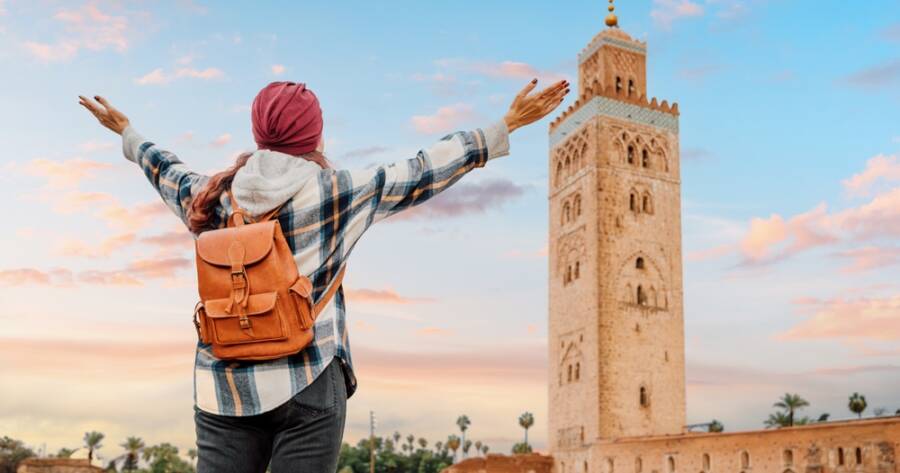
Traveling alone opens the door to freedom, flexibility, and self-discovery in a way few other experiences can match. Without the need to coordinate schedules or compromise on plans, every moment becomes an opportunity to follow personal interests and instincts. For many, the idea can feel intimidating at first, but confidence grows quickly with preparation and awareness. With thoughtful planning and a few smart strategies, solo travel can become one of the most rewarding and empowering ways to experience the world.
Choose Destinations That Match Your Comfort Level
Selecting the right destination plays a major role in shaping a positive solo travel experience. Some locations are naturally more welcoming to solo travelers due to strong tourism infrastructure, clear transportation systems, and widespread use of English. Starting with destinations known for safety and accessibility can help build confidence early on.
Researching cultural norms and local expectations is equally important. Understanding how people dress, interact, and move through public spaces can prevent uncomfortable situations. Reading recent traveler reviews and checking government travel advisories adds another layer of preparation. Choosing a place that aligns with your comfort level allows you to focus more on enjoying the journey and less on managing unnecessary stress.
Plan Key Details While Leaving Room for Flexibility
Preparation creates a sense of control, especially when traveling alone. Booking accommodations in advance, mapping out transportation options, and identifying must-see attractions can reduce uncertainty. Knowing how to get from the airport to your hotel or how public transit works eliminates common sources of anxiety.
At the same time, leaving space for spontaneity keeps the experience enjoyable. Overplanning every minute can lead to exhaustion and missed opportunities. A balanced approach, where essentials are organized but days remain flexible, allows for both structure and discovery. Having a general plan while staying open to new experiences creates a more relaxed and rewarding travel rhythm.
Prioritize Safety Without Limiting Your Experience
Safety should always remain a priority, but it doesn’t have to restrict enjoyment. Simple habits can make a significant difference. Keep valuables secure, avoid displaying expensive items, and stay aware of your surroundings, especially in crowded areas. Trusting your instincts is one of the most valuable tools when navigating unfamiliar environments.
Sharing your itinerary with a trusted friend or family member adds an extra layer of security. Regular check-ins can provide peace of mind for both you and your loved ones back home. Choosing well-reviewed accommodations in safe neighborhoods and arriving during daylight hours can further reduce risk. When safety becomes part of your routine, it allows you to explore with greater confidence.
Stay Connected and Informed While on the Go
Reliable communication helps solo travelers feel more secure and independent. Having access to mobile data or a local SIM card ensures you can use maps, translation apps, and emergency contacts when needed. Downloading offline maps and saving important addresses can also be helpful in areas with limited connectivity.
Staying informed about local conditions is equally important. Weather updates, transportation changes, and local news can impact daily plans. Keeping digital copies of important documents like your passport and travel insurance provides a backup in case of loss or theft. When you remain connected and prepared, navigating new places becomes smoother and less stressful.
Build Confidence Through Small Daily Interactions
Confidence often grows through simple, everyday experiences. Ordering food, asking for directions, or chatting with locals can gradually make unfamiliar surroundings feel more comfortable. Each positive interaction builds a sense of independence and ease.
Joining group tours, classes, or local experiences can also provide social connection without sacrificing independence. Walking tours, cooking classes, or cultural workshops offer opportunities to meet other travelers while learning about the destination. Engaging in small interactions throughout the day helps transform solo travel from something intimidating into something empowering and enjoyable.
Pack Smart and Keep Things Simple
Traveling solo means you are responsible for everything you bring, making efficient packing essential. A lightweight, organized bag allows for easier movement through airports, public transportation, and city streets. Packing versatile clothing that can be mixed and matched reduces the need for excess items.
Keeping essentials accessible also improves convenience. Important items like documents, medications, and electronics should be easy to reach and securely stored. Avoid overpacking by focusing on what you truly need rather than preparing for every possible scenario. A streamlined packing approach reduces stress and makes navigating each destination far more manageable.
Embracing the Freedom of Solo Travel
Solo travel offers a unique opportunity to move at your own pace and focus entirely on what brings you joy. Without outside expectations, every decision reflects your personal interests and energy. That level of freedom can be both refreshing and deeply rewarding.
With preparation, awareness, and a willingness to step outside your comfort zone, traveling alone becomes less intimidating and more empowering. Each journey builds confidence and independence, creating lasting memories along the way. Over time, solo travel shifts from a challenge into a meaningful and enriching way to experience the world.